Revolver Arena Map Voting Strategy
Stack votes with intent, learn spawn cover, and expand one map at a time.
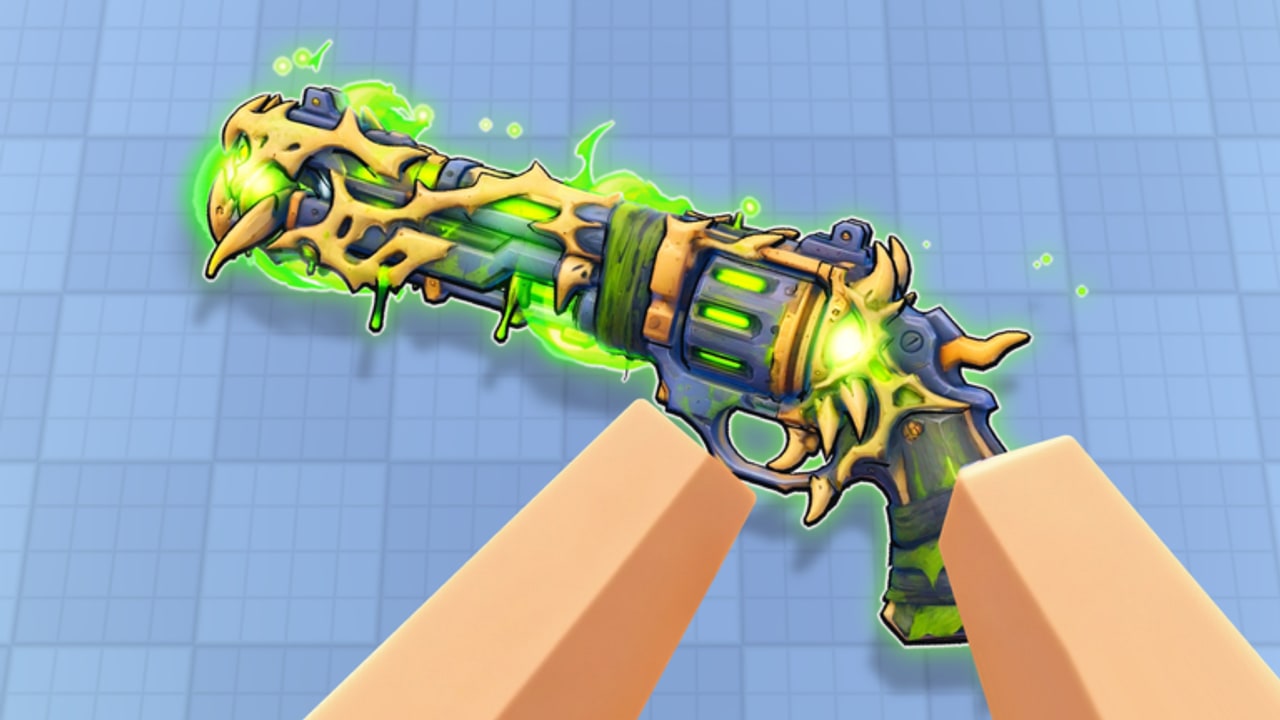
Between rounds in Revolver Arena, the lobby votes the next map. That short window decides whether your next eight-player fight happens on geometry you understand or on a maze that donates free deaths. demilian’s arena shooter keeps the same one-shot revolver, knife, and movement kit across maps—slide, wall run, vault, climb—so map IQ is mostly spawn logic, mid control, and cover literacy. This guide turns voting from a random tap into a deliberate skill.
Read it alongside Game Modes, Movement, and One-Shot Aim. New players should still finish Getting Started first. Input comfort lives on Controls and Mobile Tips.
How the vote window works
After a round ends, the client presents map choices and a short timer. Players select a preferred map; the lobby tally decides the next load. Exact UI chrome can shift with patches—confirm live prompts and read Updates after bigger client changes—but the decision skill stays the same: pick the map that matches tonight’s goal and your current knowledge.
Do not AFK the vote. A blank or late vote hands the pool to whoever is mashing the flashiest name. In small eight-player servers, two or three intentional votes often decide the outcome.
When to force or stack votes
Stack with friends. If you queue as a group, call the map in party chat before the timer. Split votes among three decent options lose to a duo that locked one map early.
Force a learning map on purpose. Once per session, intentionally vote a map you barely know—but only when you are mentally ready to die for information. Do not “force” a mystery map during a tilted loss streak or while grinding a fragile daily quest.
Force a comfort map when practicing a hard skill. If tonight is one-shot aim reps, stack a map with readable lanes instead of the densest vertical playground. If tonight is parkour homework, stack a map with legal wall chains.
Respect mode. The same layout plays differently in FFA versus CTF. Vote as if mode and map are one package—details below and on Game Modes.
Map-type preferences by mode
| Mode | Prefer maps that… | Avoid (while learning) |
|---|---|---|
| Free For All | Clear lanes, multiple edge routes, readable third-party timing | Pure death mazes with no safe reload cubbies |
| Team Deathmatch | Connectable mid + two flank walls teammates can trade on | Huge disconnected wings that isolate every duel |
| Capture the Flag | Flag paths you can narrate in one sentence | Scenic mid air highways with zero cover on the carry |
| Gun Game | Varied ranges but not extreme sniper-only sightlines | Maps that only reward one awkward range for every ladder step |
Use Modes Tier List and the broader Tier List when the community ranks situational preferences, but always verify against your own spawn notes.
Learn one new map per session
Randomizing every vote forever keeps you permanently soft on every layout. Use a simple expansion rule:
- Pick one unfamiliar map as tonight’s homework.
- Play at least three rounds on it when it wins the vote (or keep voting it until it does).
- Before you leave, write or remember four labels: two reload cubbies, one slide peek lane, one wall-run or vault bypass, one dangerous open mid.
- Next session, that map becomes a comfort vote; pick a different homework map.
This compounds. After two weeks you own a real pool instead of vibes.
Spawn, mid, and cover notes
Spawns. In eight-player arenas, spawns recycle quickly. After you die, ask where the game just placed you relative to mid and to the fight you lost. Revenge sprinting across the entire map ignores the new angle the spawn already gave you.
Mid. Mid is information and third-parties. Holding mid blind without an exit is how FFA scoreboards feed. Control a connector to mid, not necessarily the literal center prop.
Cover taxonomy. Label cover as:
- Hard reload cover — fully blocks sight while you hit R / X / mobile reload.
- Soft peek cover — shoulder edges for pre-aim fights from One-Shot Aim.
- Vertical cover — ledges and wall-run exits that change head height via Movement.
- False cover — props that look safe but are open to a common climb or vault.
Knife rushers love soft cover that you treat as hard. Keep Knife Melee habits ready when someone slides your cubby.
Voting scripts for common goals
Aim night. Stack the map with the cleanest head-height corridors you know. Queue FFA. Ignore vanity vertical maps until crosshair discipline is boring.
Movement night. Stack a map with at least one wall chain and vault line you can repeat. Still reload behind hard cover—parkour is not an excuse for open reloads.
CTF night. Only force maps whose flag return path you can describe. If the lobby locks a mystery CTF map, self-assign defense first life and learn the nest before you hero-run.
Quest night. Open daily objectives on Arena Pass first, then vote the mode-friendly map that makes the quest natural instead of fighting the layout.
Leaderboard night. Consistency beats hero maps. Prefer layouts where your spawn reads and pre-aim already exist so Kills and Wins on Leaderboards reflect skill, not lottery spawns. Broader player hubs sit under Players.
Social and lobby dynamics
Public lobbies will sometimes hard-lock a map you hate. Adapt for one round: play edges, gather two cover labels, then re-vote. Tilting in chat does not change geometry. If you stack with a consistent group, keep a short shared callout list—“blue vault,” “long wall,” “flag nest crate”—so votes and live calls use the same language.
Cosmetics and cases never alter map collision or damage. Open skins for fun via Skins and Cases after the vote, not during it. Free redeem checks stay on Codes (no confirmed public codes at writing time—use that page as source of truth).
Linking practice across the wiki
- Fundamentals: Guides Hub, Getting Started
- Gunfights: One-Shot Aim, Knife Melee
- Pathing: Movement
- Modes: Game Modes
- Input: Controls, Mobile Tips, Settings
- Meta hubs: Tier List, Updates, Tools, Scripts
Closing checklist before you click
- What mode is next?
- What skill am I training tonight?
- Do I already know two reload cubbies on this map?
- If not, is this my intentional homework map?
- Are teammates stacking the same vote?
Answer those five in under five seconds and map voting stops being a coin flip. In a one-shot arena, the first clean angle often comes from knowing the floor plan—not from a hotter skin or a luckier spawn alone.
Frequently Asked Questions
Quick answers for Revolver Arena players.
When does map voting happen in Revolver Arena?
Between rounds. Use the short timer to select a map; stacked intentional votes in eight-player lobbies often decide the result.
Should I always vote the map I already know?
Mostly yes while climbing fundamentals. Reserve one map per session as intentional homework so your pool still grows.
How does mode change my map vote?
FFA wants readable duel lanes; TDM wants tradeable connectors; CTF wants narratable flag paths; Gun Game wants flexible ranges. Vote the package, not the name.
What should I learn first on a new map?
Two hard reload cubbies, one slide peek lane, one vertical bypass, and which mid spaces are false cover.
What if the lobby locks a map I hate?
Play one adaptive round on the edges, take notes, then re-vote. Tilting in chat will not edit the geometry.
Do skins or Arena Pass tiers change maps?
No. Cosmetics stay cosmetic. Pass and quests reward playtime; they do not alter collision or one-shot rules.